Showing posts with label lobster. Show all posts

Wednesday, December 21, 2011

The Lobster Family

We all know why Maine lobster is titled the True American Lobster, but what about their relatives in the south?

Warm water lobsters, also called spiny or rock lobsters, can be found in tropical waters near the Caribbean, the Mediterranean, Asia, or even the coast of Florida or Southern California. The
warm water lobster differs from the Maine lobster in that it does not have claws, but instead two large spiny antennae. The only edible meat on a warm water lobster is in its tail, which tends to be about 33% of its body weight!

Warm water lobster is the biggest food export in the Bahamas, and is the world’s source for frozen or canned lobster. Although similar in size and look, the warm water lobster and the Maine lobster are actually from a different class, and with over 40 species in the world this is
easy to believe!

Wednesday, December 14, 2011

Lobster Recipes


Tired of steamed lobster? Spice up your lobster dinner with these famous recipes!

For more delicious lobster meals, click here and enjoy!

Wednesday, December 7, 2011

DIY: The Maine Lobster Roll


Looking to bring back sweet memories of summer? Want to recreate a lobster classic? Well here are some quick and easy tips for making the famous Maine lobster roll.

· Although it may be easier to buy from a can, try to use fresh lobster. Lobster from a can is not as firm, and many times is made up of warm water lobsters from the Bahamas or other tropical areas instead of the classic Maine lobster we know and love.
· Plan on using a 1 ¼ lb. to 1 ½ lb. lobster per one roll, depending on whether hard or soft shell. If soft shell lobsters, understand that there will be less meat inside than a hard shell, but many argue that the meat is sweeter than their denser counterpart. For more information on soft and hard shell lobsters check out our Lobster Facts.
· The classic lobster roll is typically put on a hot dog bun, however, a hamburger bun or bread of choice can be used as well. Maine lobster rolls have even been served in wraps!
· Once you have chosen your bun, make sure to toast it until golden brown. This adds to the flavoring of the finished product!
· Lobster rolls can be made two different ways: with butter or with mayo. If making a lobster roll with butter, make sure to heat the lobster meat before pouring it on. The classic lobster roll is made with a light flavoring of mayo mixed in with chilled lobster pieces.
· Make sure to always use fresh ingredients, and keep it simple! Do not overwhelm your lobster roll with a variety of other vegetables and spices; it will take away from the classic
taste. If making a “lobster salad” for your roll, keep the additives to a minimum adding only celery and light herbs.

For more instructions check out the traditional Maine lobster roll recipe given by the Maine Lobster Council and enjoy!

Wednesday, November 30, 2011


Already excited for next summer’s lobster season? Start planning for these upcoming lobster events!

The 11th Annual Maine Lobster Ride & Roll

When: July 21, 2012

Where: Oceanside High School

Join bikers as they trek around Maine’s beautiful coastline. Participate in one of four distances, and don’t forget to grab your fresh lobster roll for lunch!

The 65th Annual Maine Lobster Festival

When: Wednesday, August 1st, 2012-Sunday, August 5th, 2012

Where: Rockland Maine’s Harbor Park

Join thousands of lobster lovers in a celebration of our little red friend! Watch the crowning of the Maine Sea Goddess or the annual Lobster Festival Parade. Shop local arts and crafts while listening to live entertainment. And don’t forget to dig in to the 20,000 pounds of fresh Maine lobster!!

For other lobster related events for the upcoming year, click here.

Tuesday, November 15, 2011

The Beauty of Bait


Here is a picture of the bait used to lure lobsters into the Crate to Plate traps. The bait used by Captain Dan can be anything from Herring to Rock Fish or Red fish to Hoagies. Every trap is filled with a bag of bait and then replaced with new bait after it has been hauled.

The tote that you see in this picture holds about 200 lbs. of bait. Captain Dan and his crew go through 6 or 7 totes of bait on each fishing excursion. That’s around 1000 lbs. a day!

Want to join Captain Dan and the Fisher Girl for a sail? Contact Crate to Plate to plan your own fishing adventure!

Tuesday, November 8, 2011

Pick Up a Live Lobster (And Live to Tell the Tale)

Want to pick up your live lobster? Here’s how!

Very quickly place one hand around the sides of the lobster’s middle, right below the claws. With the other hand, push the lobster’s claws from the bottom so that they are straight against its head. Re-adjust your grip so that you are holding both claws and the body. With its claws against its head the lobster can no long move to grip or pinch.

The lobster may start flapping its tail or thrashing after our first touch, just be aware of the claws and make sure to move quickly. Now that you are ready, pick up some Crate to Plate lobsters today!

Tuesday, November 1, 2011

What Size is Your Lobster?


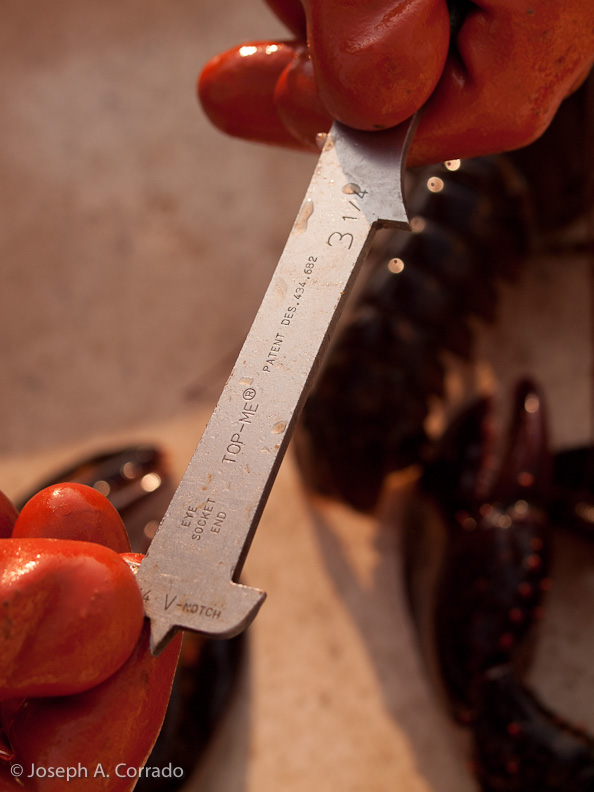
Maine lobstermen have been harvesting lobster in the same environmentally conscious way for over 100 years. These practices include “V-notching” female lobsters as well as setting a size limit for harvested lobsters.

Maine’s lobster size limit is 3 ¼ lbs. so as to allow all juveniles time to mature and reproduce before they are harvested. Every lobster caught is measured to ensure the survival of our favorite red friend.

Lobsters are measured based on the size of their carapace, the hard shell segment between the tail and the head. Lobstermen place a metal gauge at the lobster’s eye socket down the carapace. If the lobster’s carapace does not fit between the jaws of the gauge, then the lobster must be thrown back.

Lobsters can also be too small to be caught as well. Lobsters too small to harvest are called shorts. Lobster lovers in Maine typically dine on 1, 1 ¼, and 1 ½ lb. crustaceans!

Tuesday, October 25, 2011

Preserving Our Favorite Red Friend

In our previous post on sexing lobsters, we mentioned that female meat is considered sweeter, but it turns out that it is also rarer to find on our dinner table. Here’s why!

In order to preserve the lobster population, Maine lobstermen have adopted environmentally friendly fishing practices spanning back over 100 years. These regulations require that all reproducing females must be returned to the ocean after being caught.

In order to ensure that these reproducing lobsters remain safe, Maine lobstermen use what is called “V-notching” to mark the females. If a lobsterman catches a berried lobster (a female lobster with eggs under her tail), they must cut a small “v” on the lobster’s tail on the second flipper from the right. By V-notching this female, the lobster is forever safe from being caught. Any lobsterman who catches a notched lobster must throw her back even if she is not carrying eggs at the time. This practice ensures the continuation of our favorite lobster friend!

Want to brush up on your lobster lingo? Check out our post on lobster terms used by real lobstermen!

Friday, September 16, 2011

Captain Dan’s Catch


When he’s not busy getting lobsters ready for Crate to Plate clients, Captain Dan is fishing around West Penobscot Bay’s many inlets and islands.

So where does he sell his daily catch? Besides his Crate to Plate traps and direct sales, most of Captain Dan’s lobsters are sold locally. This means that you can find Captain Dan’s lobsters in Lincolnville, Islesboro, and Rockland. You can also find Captain Dan’s lobsters at Natalie’s restaurant in the Camden Harbour Inn!

For more information on

Wednesday, August 31, 2011

The Meaning of the Lobster Buoy


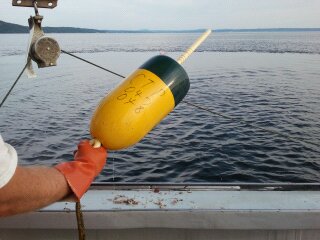
Lobster buoys serve as more than just decoration amongst Maine’s harbors and coastline and are in fact markers of lobster traps beneath the ocean surface. These buoys are a way for lobstermen to locate their traps and each follow a specific pattern. Every lobsterman has a specific color scheme for their buoy collection so that they may distinguish their traps from others.

Captain Dan’s buoy markers are painted yellow with a green strip on the top. These colors are used to identify all 800 of his traps, including the 100 traps used specifically for Crate to Plate.

Come see for yourself! Join Captain Dan on a fishing trip by contacting Crate to Plate today!

Wednesday, August 24, 2011

Crate to Plate's Local Catch

Want to know where your Crate to Plate lobsters come from?

Captain Dan and the Fisher Girl sail out of Saturday Cove in Northport, one of the many small inlets that make up West Penobscot Bay. Crate to Plate lobsters come from traps placed along the coast stretching from Lincolnville to Bayside. Coast dwellers may see the Fisher Girl near Islesboro’s ferry dock, at Lincolnville beach, or even as far north as Searsport.

While fishing, Captain Dan sails around many of the islands littering the Maine coast including Flat Island, Seal Island, and Ram Island— all bordering Islesboro’s shore.

Wednesday, August 3, 2011

Lobster Fishing with Crate to Plate


Want to fish with a real Maine lobsterman? Go sailing with Captain Dan on the Fisher Girl and learn the trade that has made Maine famous!

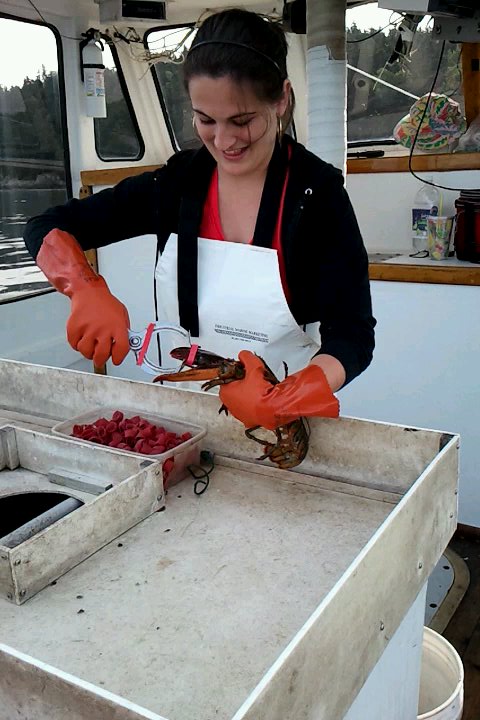
Sailors will live the true fishing experience as they navigate the rocky coast picking up traps. Watch eagles sunbathing on Flat Island while learning to haul traps and pack bait bags. Discover a harem of seals laying on a rocky key while emptying traps and banding lobsters.

Sailors will experience the beauty of ocean life while becoming an expert on all things “lobst-ah”. Learn how to correctly pick up a lobster, the difference between a hard and soft shell, or even how to “V-notch” a hen. Guests will practice the same environmentally conscious lobster procedures that have been a part of Maine life for over 100 years.

So join Crate to Plate and Captain Dan on a fishing adventure and discover Maine’s lobster in a whole new way!

For more information on how to schedule a tour with Captain Dan, please visit the Crate to Plate website.

Wednesday, July 27, 2011

Meet Captain Dan!


Crate to Plate may have begun in November 2009, but Captain Dan’s relationship with our lobster friend actually began in 1994.

A long time ocean lover, Captain Dan has been sailing since 1979. After graduating from college, Dan moved to Florida to start work in the corporate world. Six years later, Dan got his Captain’s license and began sailing around the world delivering and servicing yachts.

On a routine sail to deliver a boat, Captain Dan ended in up in Maine. Upon seeing the state’s beauty and possibilities, he decided to stay in Vacationland to discover the Midcoast’s rocky beaches, island speckled coast line, and its most famous export—lobster.

Deciding it was time for a career change; Captain Dan embraced his new state’s specialty and began lobster fishing in 1994. A self-taught fisherman, Captain Dan steadily grew his business to include over 800 traps located around the Northport coast.

Today Crate to Plate offers customers a full lobster experience including boat tours for those who would like to learn Captain Dan’s famous trade or the harvest of one of his many traps. Check out the Crate to Plate site for more information on Captain Dan and his lobster friends!

Monday, June 28, 2010

LOBSTER CASUAL


There is a myth that lobster is fancy. The degree of fanciness or some might say stuffiness is based on the cooking method. Regardless of your view of lobster one thing that must be true, always, is the freshness of the lobster and the ingredients used to enhance it.

An additional myth is that to be indulged we must be overdressed, have waiters fawning over us and have an exorbitant bill at the end of the meal. Forget that. Throw your jeans on, go barefoot and be indulged in a state of one hundred per cent casualness.

A perfect example of indulgent casualness is the Brass Compass in Rockland , Maine . The Compass is the domain of chef/owner Lynn Archer. Lynn starts her day with the baking of fresh bread, a selection of pies and cakes and muffins the size of a good sized winch. She takes pride in what she serves and she treats both her customers and staff as extended members of the family.

Last fall she was challenged by Bobby Flay for a throw down. Poor Bobby. He didn’t stand a chance. Why? She bakes the bread, she knows the minute the lobsters are pulled from the sea, she knows who smoked the bacon and she only uses real mayonnaise. Most importantly, she knows that lobster can be enhanced but it should never be overpowered. Regardless of the dish, it is the freshness of the lobster you should taste first. Here is her recipe.


TOASTED LOBSTER CLUB
Lynn Archer, The Brass Compass Café
“The sweetness of the lobster should not be overpowered
by the mayo, so go light on it. I use the lobster to stick the
sandwich together.”
1¼ pound Maine lobster, cooked and meat removed, lightly mixed
with real mayonnaise, just enough to hold lobster meat together
2 Tablespoons real mayonnaise
3 thick slices homemade white bread
3-4 slices crisp cooked slab bacon
Few pieces crisp green leaf lettuce
1-2 slices thinly sliced large ripe tomato
Toast all bread slices lightly. On first piece, spread mayonnaise,
bacon, lettuce, and tomato and top with the second slice
of bread. Add all the lobster meat and top with mayonnaise
spread on the third slice. Cut in half diagonally, and enjoy!
You’ll have a huge lobster club, fit for a king (or queen).\

If you’re ever in the Midcoast stop in at the Brass Compass and prepare to indulge yourself. If you can’t make it to one of Lynn ’s tables than catch a rerun of the Lobster Club throw down on the Food Network. Neither will disappoint.

Thursday, April 29, 2010

Iconic Symbols


Every city has an iconic start to spring. In Chicago it’s opening day for the Cubs or Sox. In Seattle it is when the Azaleas that populate the landscape of the University of Washington explode in pops of pink to the horizon. In Rockland, Main our spring icon is in its second season. You might question the word icon in the context of a two year stint. But our icon has a past. It is Robert Indiana’s EAT sculpture first displayed at the New York’s World Fair in 1964. The art installation was mistaken for a restaurant sign and hundreds of people waited in line for what they believed would be a forthcoming lunch. Fair organizers had the sign removed and returned to Mr. Indiana. It remained in his possession until the spring of 2009 when it was installed on the roof of the Farnsworth Art Museum. Locals have adopted the sign with the same love and seasonal recognition as the annual Christmas tree made from lobster crates and buoys.

Like the tree it invokes celebration, joy and hope. It says Eat life; Eat art; Eat the bounty of the season. Celebrate the lobsters pulled from the sea; the boats on the water; the clambakes on the shore. Eat it or miss out.